Rubber Roof Cleaning in Vancouver, WA
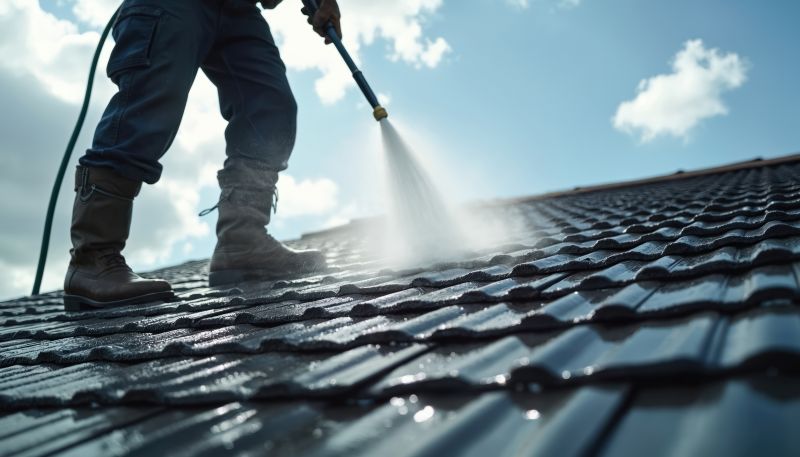
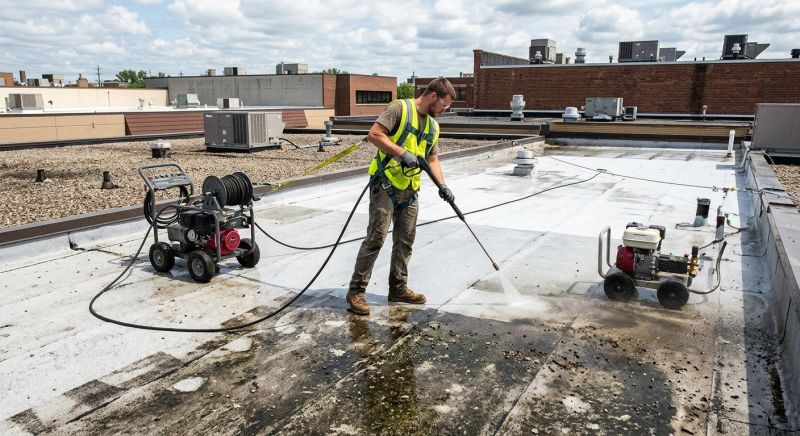
Rubber roof cleaning services involve the careful removal of dirt, algae, moss, and other debris from rubber roofing materials to help maintain their appearance and longevity. These services are suitable for various types of projects, including residential flat roofs, commercial buildings, and other structures with rubber membrane roofing systems. Property owners often seek this service to prevent damage caused by buildup of organic material, which can lead to deterioration or leaks over time. Understanding the specific condition of the roof and the type of debris present can help determine the most effective cleaning approach.
Before requesting rubber roof cleaning, property owners typically want to know about the methods used, the potential impact on the roof’s surface, and any necessary preparations. It’s important to clarify whether cleaning involves the use of gentle, non-abrasive solutions to protect the integrity of the rubber membrane. Additionally, understanding the recommended frequency of cleaning can help maintain the roof’s performance and appearance. Proper information ensures that the cleaning process supports the roof’s durability while addressing the unique needs of each property.
Many property owners in Vancouver, WA look into Rubber Roof Cleaning for repairs, replacements, upgrades, and appearance-related improvements.
Benefits Of Rubber Roof Cleaning
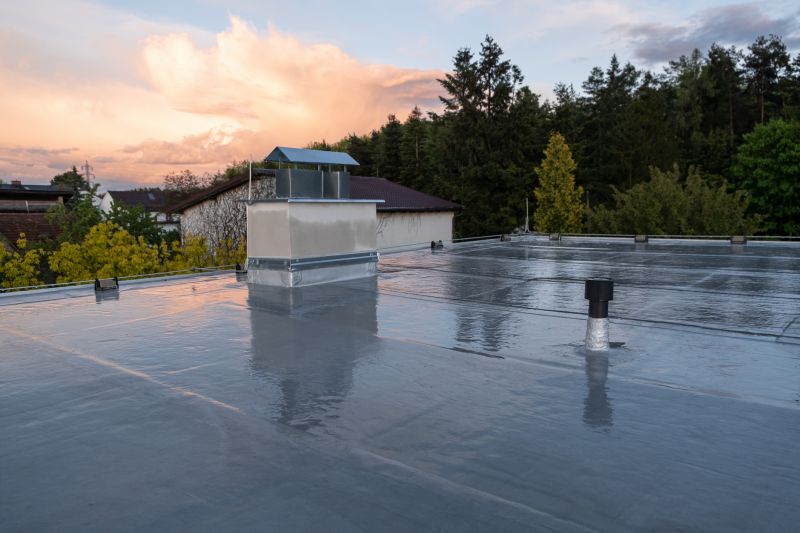
Regular cleaning helps extend the lifespan of rubber roofing and maintains its appearance.
Common Rubber Roof Issues
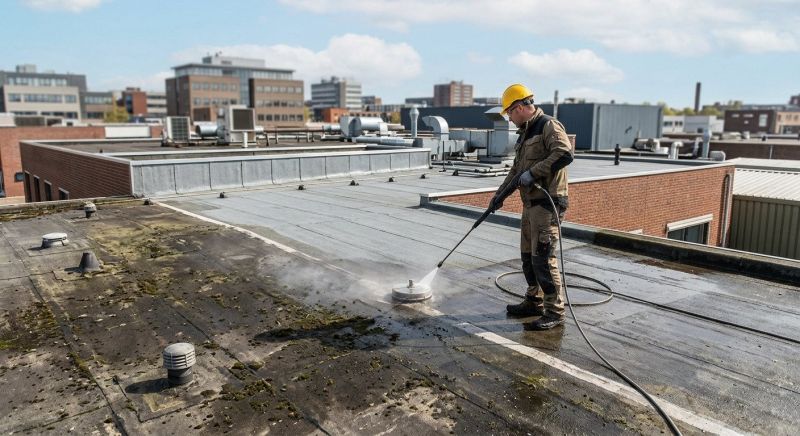
Over time, rubber roofs can develop mold, algae, and debris buildup that compromise their integrity.
Maintenance Tips For Rubber Roofs
Routine cleaning and inspections are essential to prevent damage and keep rubber roofs in top condition.
Rubber Roof Cleaning in Vancouver, WA

Rubber roof cleaning services involve the careful removal of dirt, algae, moss, and other debris from rubber roofing materials to help maintain their appearance and longevity. These services are suitable for various types of projects, including residential flat roofs, commercial buildings, and other structures with rubber membrane roofing systems. Property owners often seek this service to prevent damage caused by buildup of organic material, which can lead to deterioration or leaks over time. Understanding the specific condition of the roof and the type of debris present can help determine the most effective cleaning approach.
Before requesting rubber roof cleaning, property owners typically want to know about the methods used, the potential impact on the roof’s surface, and any necessary preparations. It’s important to clarify whether cleaning involves the use of gentle, non-abrasive solutions to protect the integrity of the rubber membrane. Additionally, understanding the recommended frequency of cleaning can help maintain the roof’s performance and appearance. Proper information ensures that the cleaning process supports the roof’s durability while addressing the unique needs of each property.
Many property owners in Vancouver, WA look into Rubber Roof Cleaning for repairs, replacements, upgrades, and appearance-related improvements.
Common Rubber Roof Cleaning Jobs
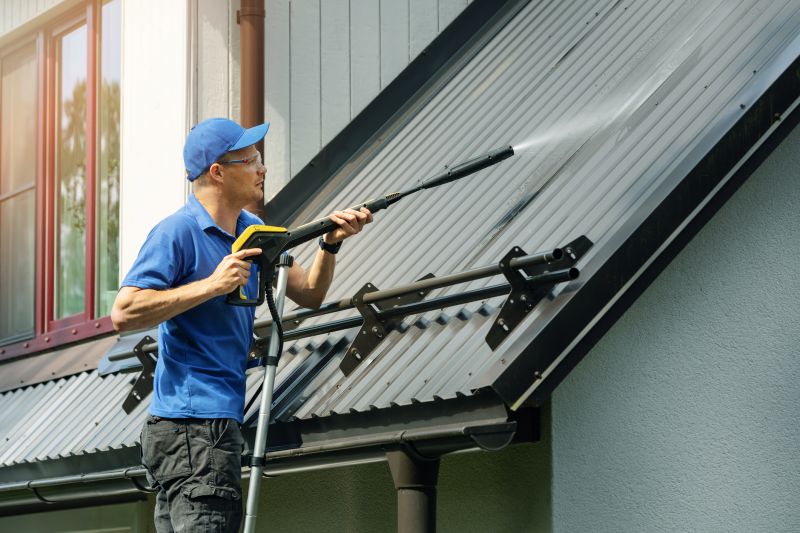
Rubber Roof Cleaning Questions
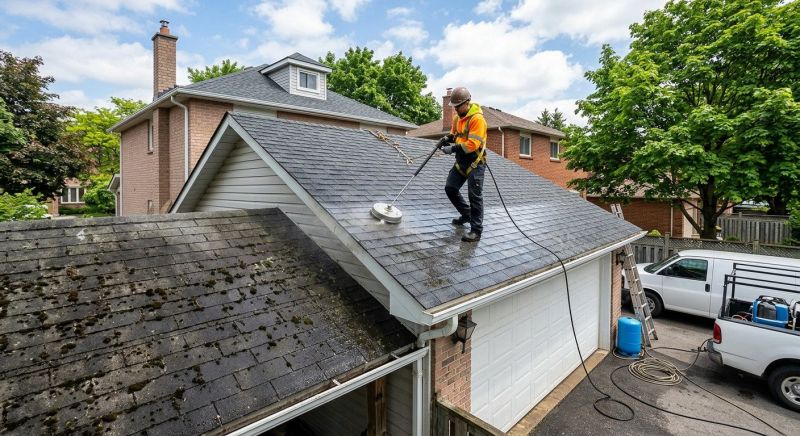
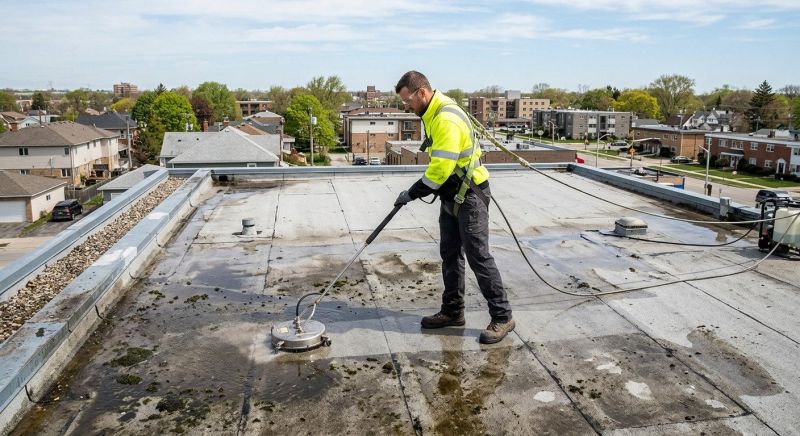
What is involved in cleaning a rubber roof? The process typically includes removing debris, washing the surface with appropriate cleaning solutions, and rinsing thoroughly to prevent damage and maintain the roof’s integrity.
How often should a rubber roof be cleaned? Regular cleaning is recommended at least once a year, or more frequently if there is heavy buildup of dirt, algae, or debris.
Are there any precautions during rubber roof cleaning? It’s important to avoid harsh chemicals and high-pressure washing that can damage the membrane, ensuring cleaning is done safely and effectively.
What benefits does rubber roof cleaning provide? Cleaning helps extend the roof’s lifespan, improves appearance, and prevents issues caused by moss, algae, and dirt buildup.
Request Rubber Roof Cleaning in Vancouver, WA
Use the quote form on this page to share the basics of your project and request more information for the type of work you need.