Pavers Sealing in Seattle, WA
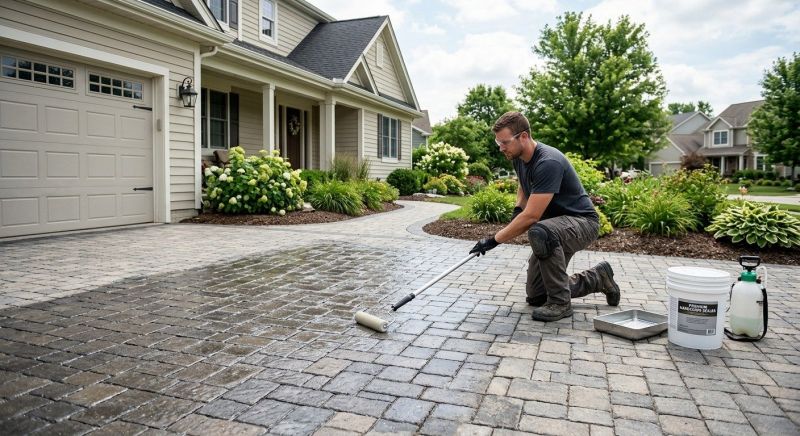
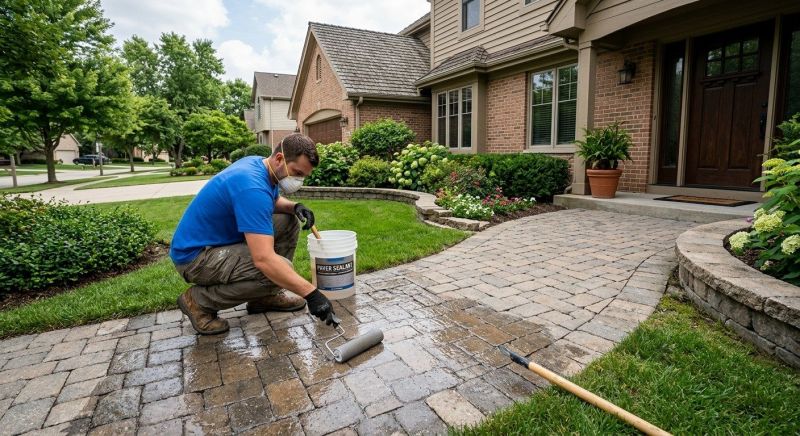
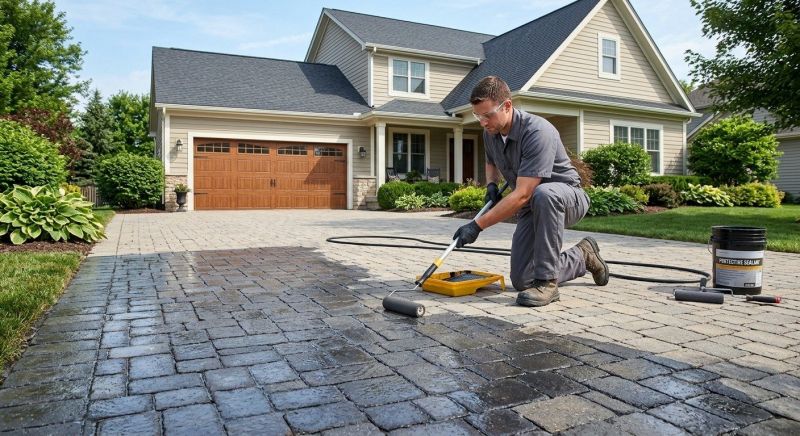
Pavers sealing services involve applying a protective coating to paved surfaces such as driveways, walkways, patios, and outdoor stairs. This process helps to enhance the appearance of the pavers, providing a uniform finish while also safeguarding them against stains, dirt, and the effects of weather exposure. Sealing can help extend the lifespan of paver installations by preventing damage from moisture, UV rays, and foot traffic, making it a popular choice for property owners seeking to maintain the quality and look of their outdoor spaces.
Before requesting pavers sealing, property owners often want to understand the different types of sealers available and how each may impact the appearance and durability of their surfaces. It’s also important to consider the current condition of the pavers, as cleaning and repairs may be recommended prior to sealing. Additionally, understanding the expected maintenance and reapplication intervals can help property owners plan for ongoing upkeep to keep their paved areas looking their best over time.
Many property owners in Seattle, WA look into Pavers Sealing for repairs, replacements, upgrades, and appearance-related improvements.
Enhancing Durability
Sealing pavers helps protect against stains, weather damage, and wear over time.
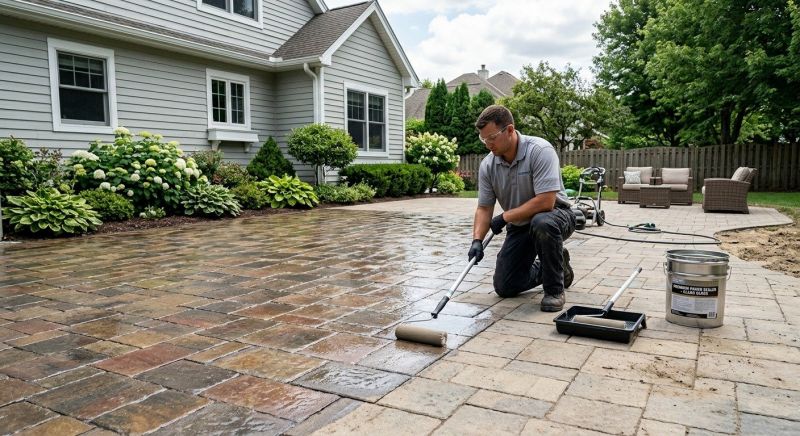
Maintaining Appearance
Proper sealing preserves the color and texture of pavers, keeping outdoor spaces looking fresh.
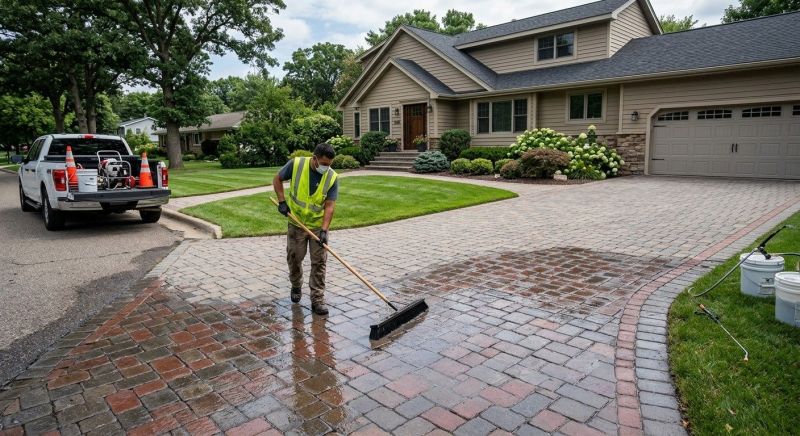
Preventing Weeds And Damage
Sealing creates a barrier that reduces weed growth and prevents paver shifting in areas like seattle, wa.
Pavers Sealing in Seattle, WA

Pavers sealing services involve applying a protective coating to paved surfaces such as driveways, walkways, patios, and outdoor stairs. This process helps to enhance the appearance of the pavers, providing a uniform finish while also safeguarding them against stains, dirt, and the effects of weather exposure. Sealing can help extend the lifespan of paver installations by preventing damage from moisture, UV rays, and foot traffic, making it a popular choice for property owners seeking to maintain the quality and look of their outdoor spaces.
Before requesting pavers sealing, property owners often want to understand the different types of sealers available and how each may impact the appearance and durability of their surfaces. It’s also important to consider the current condition of the pavers, as cleaning and repairs may be recommended prior to sealing. Additionally, understanding the expected maintenance and reapplication intervals can help property owners plan for ongoing upkeep to keep their paved areas looking their best over time.
Many property owners in Seattle, WA look into Pavers Sealing for repairs, replacements, upgrades, and appearance-related improvements.
Common Pavers Sealing Jobs
Patio Pavers - sealing enhances durability and protects against weather damage.
Driveway Pavers - sealing helps prevent staining and extends the lifespan of paving materials.
Walkways and Pathways - sealing maintains appearance and reduces surface wear over time.
Pool Deck Pavers - sealing provides a water-resistant barrier to prevent erosion and staining.
Garden Edging - sealing preserves the natural look and guards against moss and algae growth.
Commercial Paver Surfaces - sealing maintains safety and appearance for high-traffic outdoor areas.
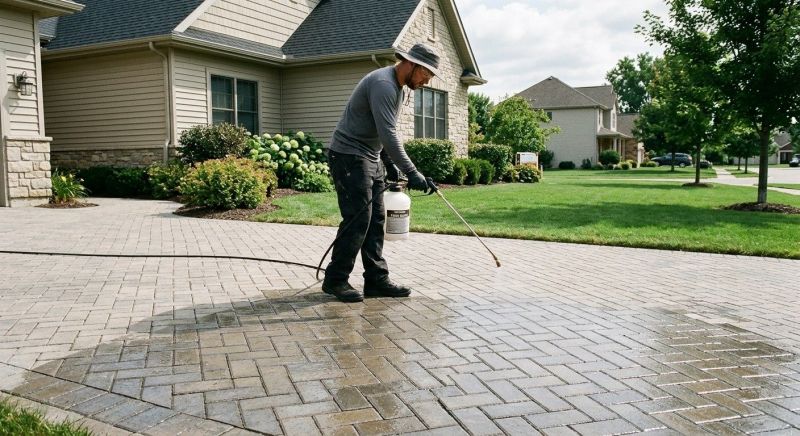
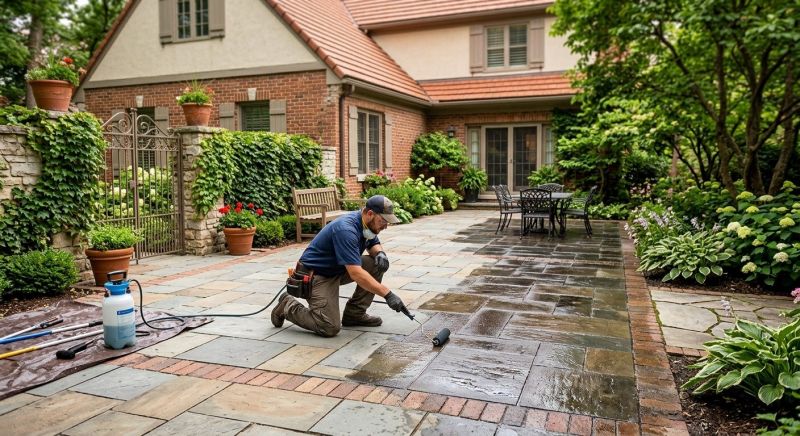
Pavers Sealing Questions
What is paver sealing? Paver sealing involves applying a protective coating to pavers to enhance durability and appearance, helping to prevent stains and weather damage.
Why should property owners consider paver sealing? Sealing pavers can extend their lifespan, improve color vibrancy, and reduce maintenance needs over time.
What types of projects benefit from paver sealing? Driveways, walkways, patios, and pool decks are common projects where sealing can improve resilience and visual appeal.
How often should pavers be resealed? Typically, pavers should be resealed every 3 to 5 years to maintain protection and appearance.
Request Pavers Sealing in Seattle, WA
Use the quote form on this page to share the basics of your project and request more information for the type of work you need.